Join Our Mission for Health and Well-Being
We are committed to ensuring healthy lives and enhancing well-being for individuals of all ages. We invite volunteers and donors to join our mission, and we welcome those in need of assistance to reach out to us.
Enhancement of Gender Equality and Women Empowerment.
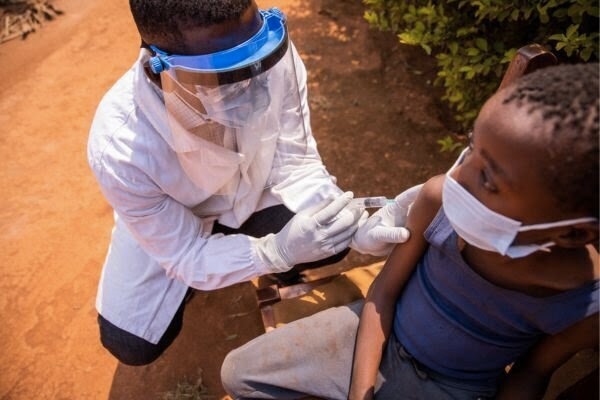
Medical Training of Marginalized Youth into Certified Nurses and Midwives.
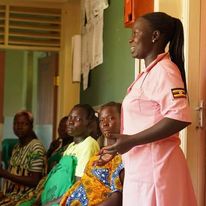
Improving Maternal Health Care
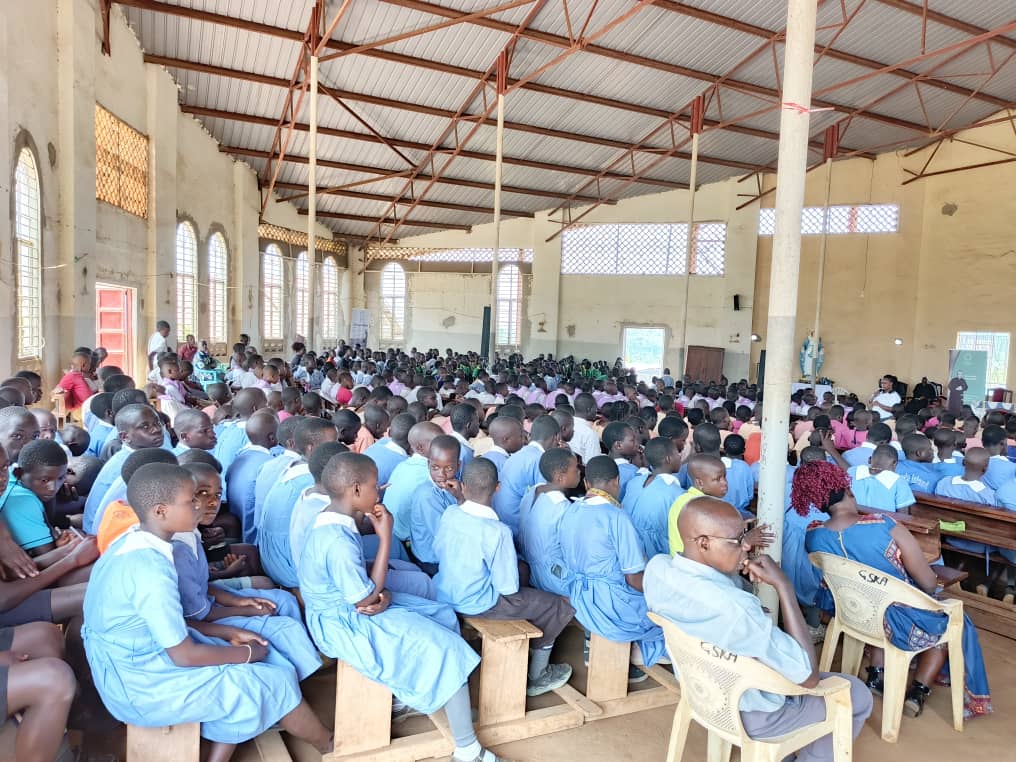
Sexual Reproductive Health Education to the Youth
About us
St Raphael Health Foundation is a nongovernmental organization established in 2019 to improve the quality of life of Ugandans through introducing community centered activities (for sustainable living), participation in health programming, practice & education.
Our Focus(SDGs)
Our Focus(SDGs)
Achieving SDGs 1, 3, 5, and 10 is crucial for ensuring no poverty, good health and well-being, gender equality, and reduced inequalities.
What we do
Transforming Health, Transforming Lives, and Transforming Communities
Each of our programs, campaigns, or projects is tailored to impart nuggets of information, inspiration and motivation in regards to sexual reproductive health, HIV/AIDS, life skills, and teenage pregnancy.
Our Major Program Areas
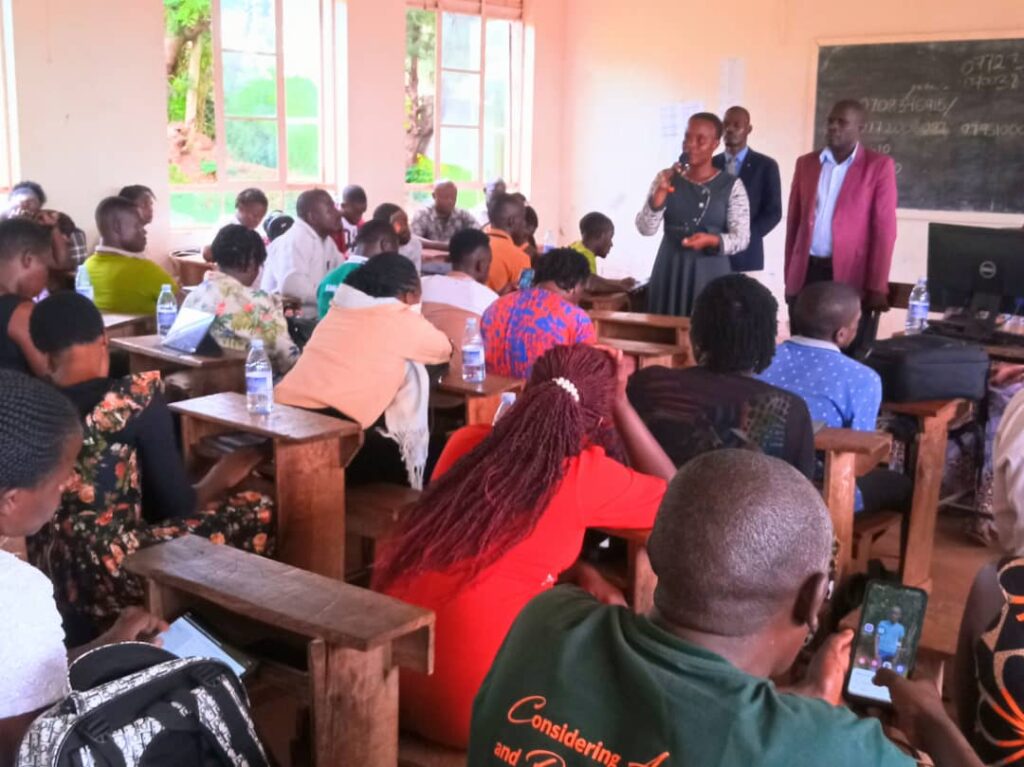
We advocate for consumer-friendly health laws and policies in Uganda to ensure all citizens can exercise their health rights and responsibilities. We conduct community and school outreaches aimed at empowering and educating health care consumers, especially in secondary schools and higher institutions, about their health rights and responsibilities. Our focus includes access to essential medicines and their rational use. Key health rights promoted are: the right to health care, access to essential medicines, information, choice, privacy and confidentiality, participation and representation, respect for human dignity, and the right to complaint and redress.
Our outreach programs involve interactive sessions, workshops, and distribution of educational materials to raise awareness about health rights and responsibilities. We work closely with local health authorities and educational institutions to ensure our messages reach a wide audience. We also advocate for the implementation and enforcement of health policies that protect consumer rights. We aim to create an environment where individuals can make informed health choices and hold health providers accountable.
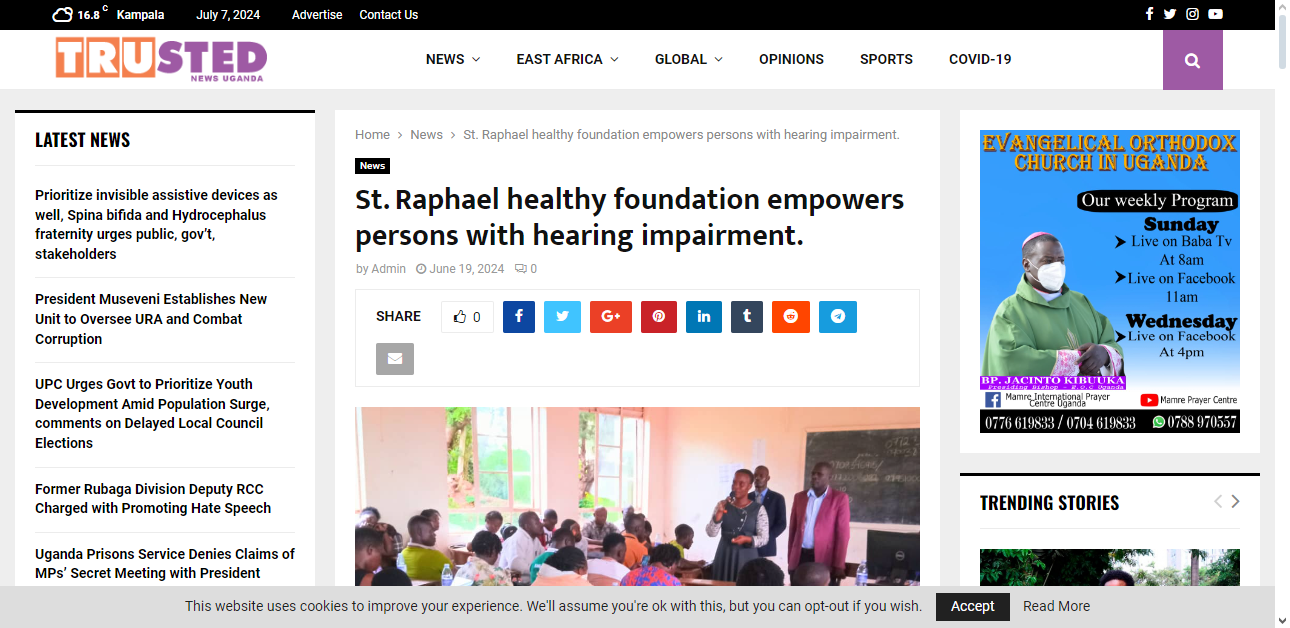
We implement two inclusive projects that aim at transforming the community through uplifting lives of persons with hearing impairment . Our projects include the following;
- Recruit and train persons with hearing impairment to become certified midwives and nurses that we deploy in clinics and hospitals to deliver midwifery and nursing services. We aim at reducing poverty and increasing the employability of persons with hearing impairment.
- We also offer training to persons with hearing impairment on coffee value and supply chain, and encourage them to become innovators in the coffee industry. We also purchase coffee from the persons with hearing impairment at fair trade prices and continue to invest partial profits from our roasted coffee into their community coffee projects. We aim at empowering persons with hearing impairment in rural Uganda by using coffee as a tool for community transformation.
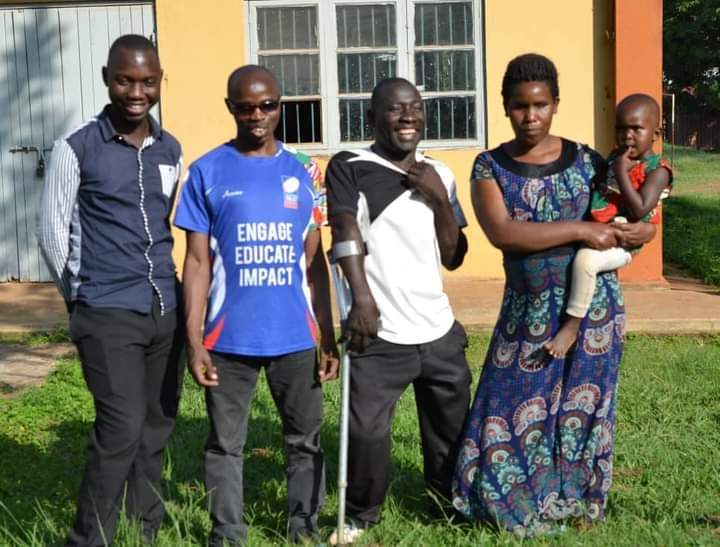
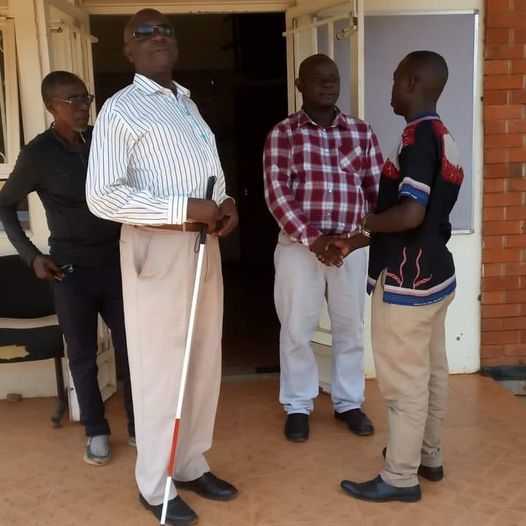
We recruit and medically train visually impaired men to become certified medical rectal examiners who we deploy in clinics and hospitals to detect prostrate cancer through rectal palpation.
Visually impaired men use their disability as an ability to create employment for themselves and also save lives of men from prostate cancer deaths.
In Uganda more than 85 percent live without access to good health facilities. This situation has led to significant loss of life. Good health care is needed in Uganda, but health services are very expensive and few people can afford them. In Uganda, the incidence of prostate cancer is increasing at a rate of 5.2 percent annually and every over 1,177 men die of prostate cancer.
We have so far reached out to over 200,000 people during the Prostate Cancer Free Uganda Campaigns across all regions in Uganda.
• Trained and certified 5 blind men as medical rectal examiners to early detect prostate cancer among men.
• Early examined over 100 men for prostate cancer so far and referred them for treatment after detecting them with prostate cancer signs.
• We have so far targeted 15 districts across Uganda
• Conducted 13 prostate cancer campaigns
• We made collaborative partnership with 10 organizations, 6 Private sector Companies, 15 Hospitals and Clinics and 10 secondary schools and 5 Universities
This program targets youth affected by reproductive health challenges and HIV/AIDS due to inadequate information. We organize dialogues, community and school outreaches to educate and equip them with vital information on sexual reproductive health and HIV/AIDS. Our services include HIV/AIDS testing, counseling, and guidance. Teenagers learn about birth control, body respect, and behavioral changes using taglines like “My body, My life, My choice.” Additionally, workshops and peer support groups are established to foster open discussions and peer-to-peer learning. The aim is to create a supportive environment that empowers young people with the knowledge and skills to understand their sexuality and make informed decisions. By involving parents and guardians, we also ensure a holistic approach, promoting family support in addressing these sensitive issues. The program endeavors to reduce the stigma associated with HIV/AIDS and reproductive health problems, encouraging youth to seek help and support without fear of judgment.
This program aims to advance women’s and girls’ rights by promoting gender equality, ensuring quality lives, and providing equitable opportunities for them to reach their full potential. It addresses gender inequality by tackling Sexual and Gender-Based Violence, harmful cultural practices like early and forced marriages, FGM, and discrimination against women and girls. Additionally, the program promotes girl child education and empowers communities to lead in enhancing gender equality.
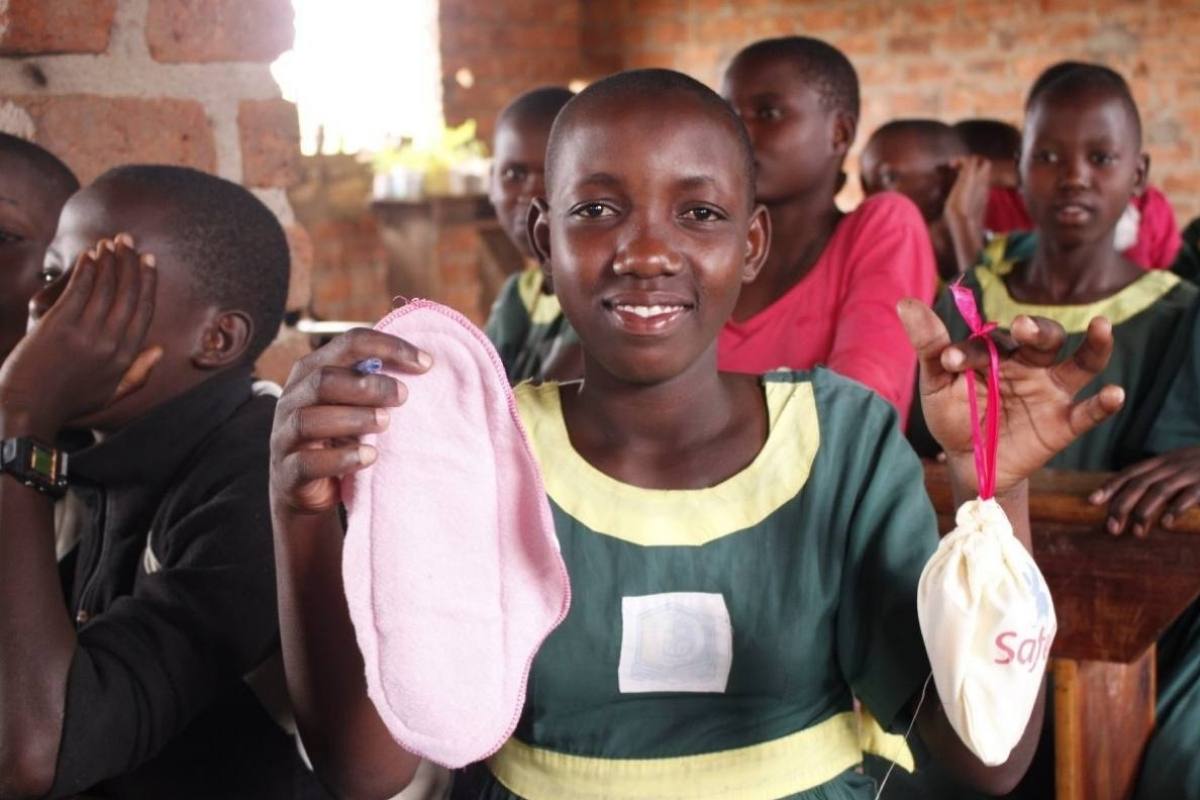
Remote Ugandan villages lack basic healthcare. We train marginalized medical professionals from these areas and deploy them back to serve their communities. The foundation addresses the shortage of health workers in Uganda and East Africa by training young people in various medical disciplines, including making and distributing reusable sanitary pads in rural schools. We also train and certify marginalized youth and those with hearing impairments as midwives and nurses, providing employment and improving community health. Additionally, we are constructing an institution to further impact the community. For more information about our nursing school, please read more.
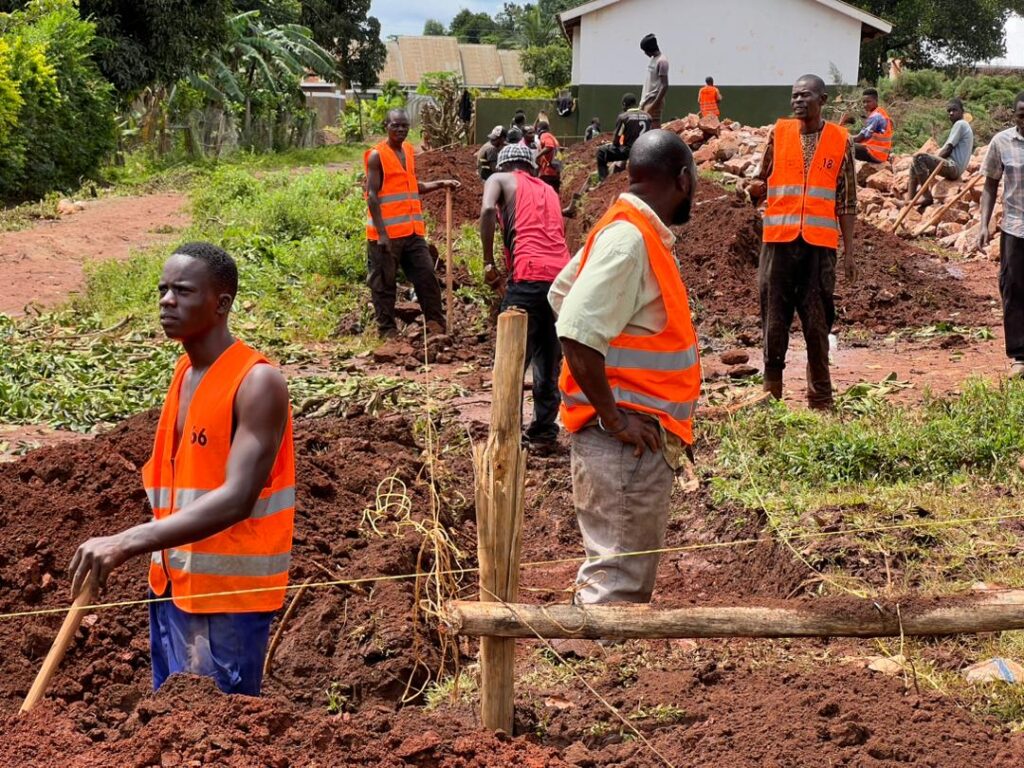
The foundation is also engaged on other community services/work aimed at supporting and transforming lives of vulnerable and underserved communities. Once in a while we organize community events where we distribute basic needs and health necessities to the marginalized and vulnerable people like the elderly, orphans, street children and the persons with disabilities. Since most villages in the community do not have safe water, we also advocate for safe and clean water like drilling of boreholes in the community to avoid spread of diseases like Typhoid in the community that are caused by drinking or using dirty water.
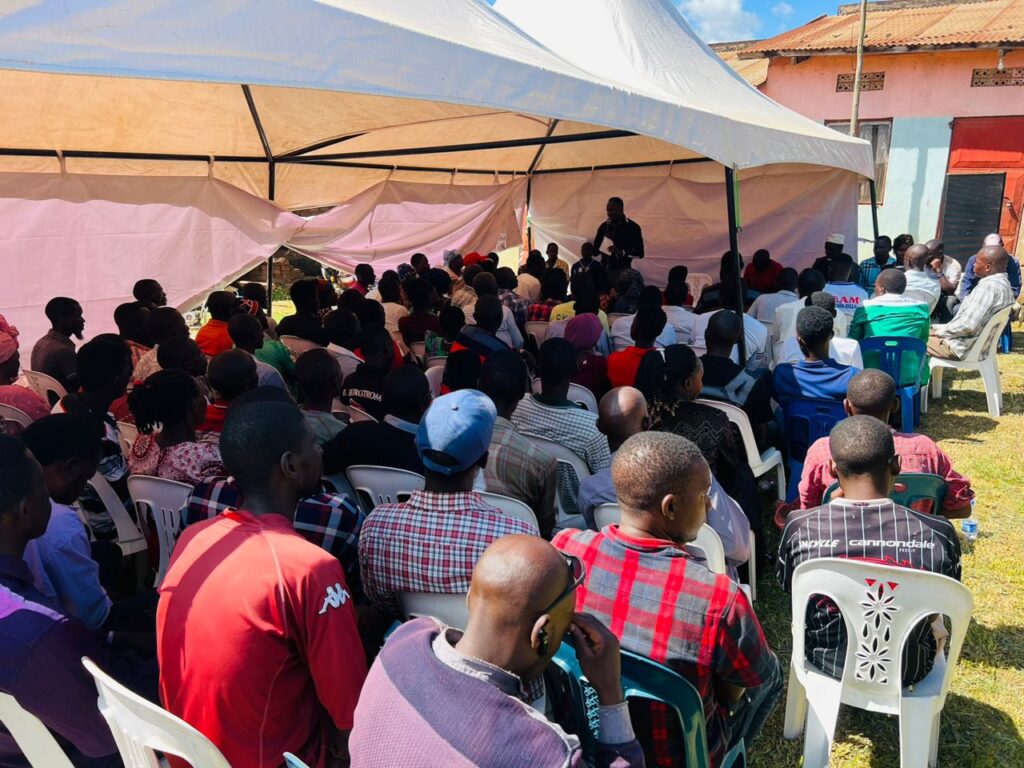
The Foundation, with district technical heads and opinion leaders, organizes health camps to educate local residents on health issues like reproductive health and hygiene. They also provide free medical services to those who can’t afford hospital care. The annual youth health camp, a week-long residential event, targets school children and youth. It addresses menstrual hygiene, puberty, gender roles, and life skills development. The camp inspires young people through interactions with role models, helping them make informed life choices.
Our foundation conducts community education on maternal health . We help mothers to access essential supplies like birth kits, co-ordinate with boda boda to improve transportation, and set up antenatal and postnatal care programs. Our efforts include partnerships, monitoring, and mental health support of mothers . We also implement nutrition education programs, WASH initiatives, safe delivery incentives. Additionally, we educate and correct myths surrounding maternal health , support groups, research, advocacy, we offer family planning services, strengthened referral systems, and male involvement programs in remote areas of Uganda
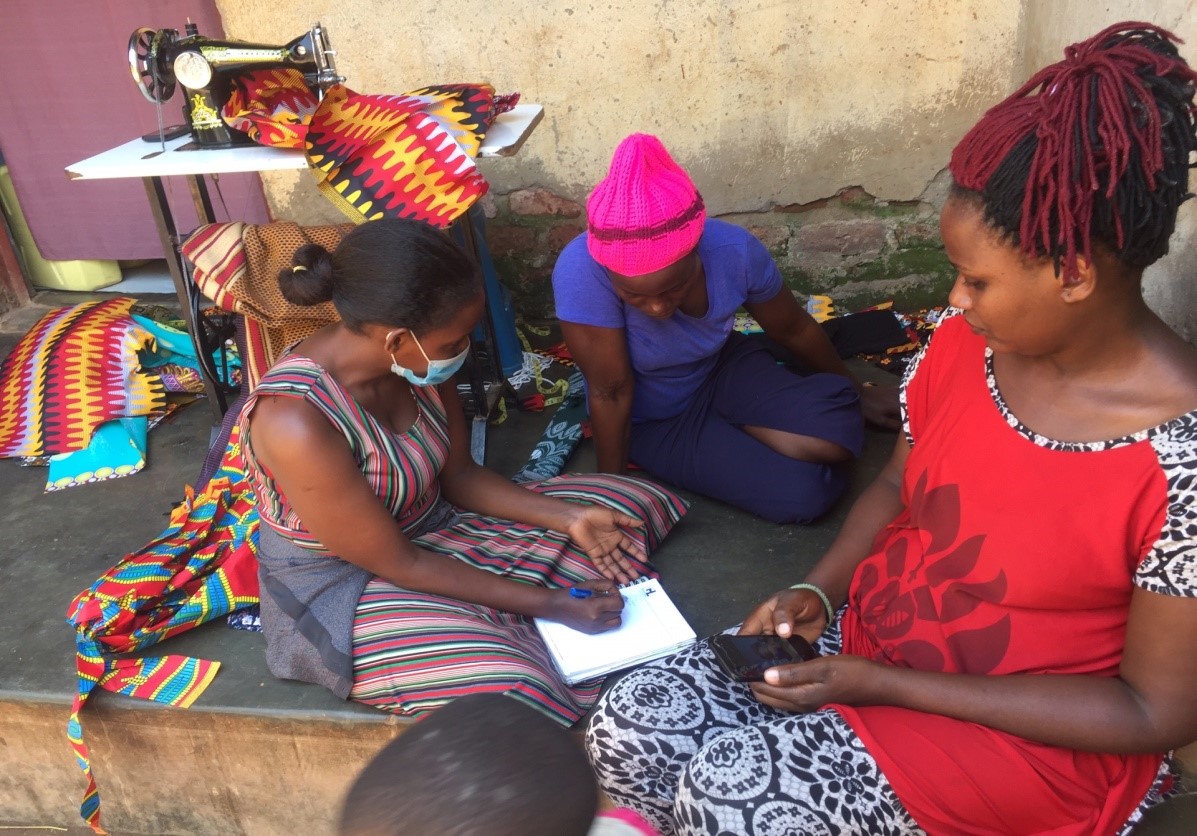
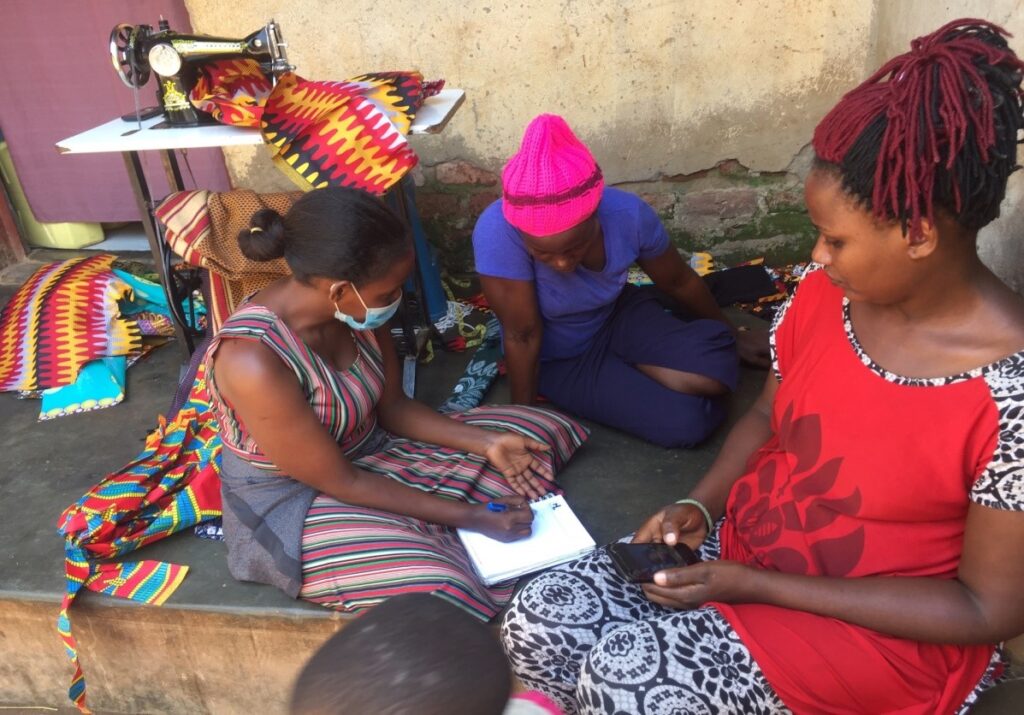
This program aims at promoting entrepreneurship and skills development, especially for adolescent girls and women. It offers free training in various skills such as fashion design, hairdressing, bakery, making paper bags, soap, reusable sanitary towels, and repairing electrical gadgets. Additionally, it teaches the fabrication of artisan products like shoes, belts, wallets, and bags. The Foundation initiated this scheme to help local people generate sufficient income, ensuring they can afford proper nutrition and medical treatment, leading to healthier and higher living standards.
The foundation is also engaged on other community services/work aimed at supporting and transforming lives of vulnerable and underserved communities. Once in a while we organize community events where we distribute basic needs and health necessities to the marginalized and vulnerable people like the elderly, orphans, street children and the persons with disabilities. Since most villages in the community do not have safe water, we also advocate for safe and clean water like drilling of boreholes in the community to avoid spread of diseases like Typhoid in the community that are caused by drinking or using dirty water.
The Foundation, with district technical heads and opinion leaders, organizes health camps to educate local residents on health issues like reproductive health and hygiene. They also provide free medical services to those who can’t afford hospital care. The annual youth health camp, a week-long residential event, targets school children and youth. It addresses menstrual hygiene, puberty, gender roles, and life skills development. The camp inspires young people through interactions with role models, helping them make informed life choices.
Featured


Our Impact
Committed To The Best Results !
We have a universal fight; we are fighting to advance health rights, information giving about reproductive health and wellbeing of people at community, national and global level.
Checkout Our stories.
See we transform lives, please join us
Prostate cancer signs & management: Prostate cancer is cancer that develops in the prostate gland, a small gland below the bladder in men. It is common in older men and often grows slowly. Early prostate cancer may cause no symptoms, so screening and risk-based evaluation are important. Advanced disease can cause urinary symptoms, blood in urine or semen, bone pain, weight loss, or weakness.
🔹 Core clinical features
➟ Often no symptoms in early stages
➟ Difficulty passing urine
➟ Frequent urination, especially at night
➟ Blood in urine, blood in semen, or bone pain may occur in advanced disease.
🔹 Early symptoms
➟ Many men feel completely normal
➟ Urinary symptoms may be absent
➟ Cancer may be detected by PSA test or prostate examination
➟ Early detection is more likely through screening in selected patients.
🔹 Urinary symptoms
➟ Weak urine stream
➟ Difficulty starting urination
➟ Frequent urination at night
➟ Feeling that the bladder is not fully empty.
🔹 Irritative urinary symptoms
➟ Urgency to pass urine
➟ Burning while urinating may occur
➟ Increased frequency of urination
➟ These symptoms can also occur with BPH, prostatitis, or UTI.
🔹 Blood-related signs
➟ Blood in urine may occur
➟ Blood in semen may occur
➟ These signs are not always cancer but need evaluation
➟ Persistent or recurrent bleeding should not be ignored.
🔹 Pain symptoms
➟ Pelvic pain may occur
➟ Lower back pain can occur in advanced disease
➟ Hip, rib, or spine pain may suggest bone spread
➟ Persistent unexplained bone pain needs medical review.
🔹 Advanced cancer signs
➟ Unexplained weight loss
➟ Loss of appetite
➟ Fatigue or weakness
➟ Swelling in legs may occur if lymph nodes are involved.
🔹 Spinal cord compression warning
➟ Severe back pain
➟ Leg weakness or numbness
➟ Difficulty walking
➟ Loss of bladder or bowel control needs emergency care.
🔹 Common risk factors
➟ Increasing age
➟ Family history of prostate cancer
➟ Black ethnicity has higher risk in many populations
➟ Inherited gene changes such as BRCA1, BRCA2, or Lynch syndrome can increase risk.
🔹 Other possible risk factors
➟ Obesity may be linked with more aggressive disease
➟ High-fat diet may contribute in some studies
➟ Previous strong family history of breast, ovarian, pancreatic, or prostate cancer may suggest inherited risk
➟ Risk assessment should be individualized.
🔹 Diagnosis
➟ PSA blood test may suggest prostate disease
➟ Digital rectal examination checks prostate size, hardness, or nodules
➟ MRI prostate may help identify suspicious areas
➟ Prostate biopsy confirms the diagnosis.
🔹 PSA test note
➟ PSA can rise due to cancer, BPH, prostatitis, infection, or recent procedures
➟ A high PSA does not always mean cancer
➟ A normal PSA does not completely rule out cancer
➟ PSA results should be interpreted by a doctor based on age, risk, and symptoms.
🔹 Core management
➟ Treatment depends on cancer stage, grade, PSA, age, health, and patient preference
➟ Low-risk cancer may be monitored with active surveillance
➟ Localized cancer may be treated with surgery or radiation
➟ Advanced cancer may need hormone therapy, chemotherapy, targeted therapy, or other systemic treatment.
🔹 Active surveillance
➟ Used for selected low-risk prostate cancers
➟ Involves regular PSA tests, MRI, examination, and repeat biopsy when needed
➟ Treatment is started if cancer shows signs of progression
➟ Helps avoid unnecessary treatment side-effects in slow-growing disease.
🔹 Surgery management
➟ Radical prostatectomy removes the prostate gland
➟ It may be used for suitable localized cancer
➟ Possible side-effects include urinary leakage and erectile dysfunction
➟ Decision depends on cancer risk and overall health.
🔹 Radiation therapy
➟ External beam radiation may be used for localized or advanced disease
➟ Brachytherapy may be used in selected cases
➟ Hormone therapy may be combined with radiation in higher-risk disease
➟ Side-effects can include urinary, bowel, or sexual symptoms.
🔹 Hormone therapy
➟ Also called androgen deprivation therapy
➟ Lowers testosterone effect on prostate cancer cells
➟ Used in advanced or higher-risk prostate cancer
➟ Side-effects may include hot flashes, low libido, fatigue, bone loss, and metabolic changes.
🔹 Advanced disease management
➟ Bone scans or advanced imaging may check spread
➟ Medicines may control cancer growth and symptoms
➟ Bone-strengthening treatment may be needed if bone spread is present
➟ Palliative care can improve pain, comfort, and quality of life.
🔹 Lifestyle management
➟ Maintain healthy body weight
➟ Exercise regularly if medically suitable
➟ Eat a balanced diet rich in fruits, vegetables, and whole grains
➟ Stop smoking and control diabetes, BP, and cholesterol.
🔹 Follow-up
➟ PSA monitoring is important after treatment
➟ Side-effects like urinary leakage or erectile dysfunction should be discussed
➟ Bone health may need monitoring during hormone therapy
➟ Regular follow-up helps detect recurrence or progression early.
🔹 Emergency / referral warning
➟ Inability to pass urine
➟ Blood in urine with clots
➟ Severe back pain with leg weakness or numbness
➟ Loss of bladder or bowel control, unexplained weight loss, persistent bone pain, or rapidly worsening urinary symptoms needs urgent medical evaluation.
🔹 High-Yield Points
➟ Prostate cancer may be silent in early stages
➟ Common clues = urinary difficulty, frequent night urination, blood in urine or semen, and bone pain in advanced disease
➟ PSA is useful but not cancer-specific
➟ Diagnosis is confirmed by prostate biopsy
➟ Management depends on risk stage: active surveillance, surgery, radiation, hormone therapy, chemotherapy, targeted therapy, or palliative care may be used.
Medical disclaimer: This note is for education only and is not a substitute for professional medical advice, diagnosis, or treatment.
... See MoreSee Less
- Likes: 1
- Shares: 0
- Comments: 0
Prostate Cancer Warning Signs and Lab Diagnosis Explained
Prostate cancer is one of the most common cancers in men, and early stages often cause no symptoms. Recognizing warning signs and understanding laboratory tests such as the PSA test helps identify people who need further evaluation. This infographic explains the common symptoms, important blood tests, and how a prostate biopsy confirms the diagnosis. Early detection leads to more treatment options and better outcomes. Save this post and share it to help spread awareness.
#prostatecancer #MensHealth #cancerawareness #psatest #EarlyDetection
... See MoreSee Less
Today, on International Nurses Day, we celebrate the incredible nurses. Their dedication ensures every family in our community accesses quality healthcare with the dignity and compassion they deserve.
As the frontline of health, our nurses provide everything from antenatal care and routine checkups to HIV counseling. They offer far more than medical treatment, providing the vital emotional support and guidance patients need to recover.
Beyond the clinic, our nurses are champions of holistic wellbeing. By advocating for proper nutrition and healthy habits, they empower individuals to achieve long-term health and recovery that lasts well beyond their appointment.
#InternationalNursesDay
... See MoreSee Less